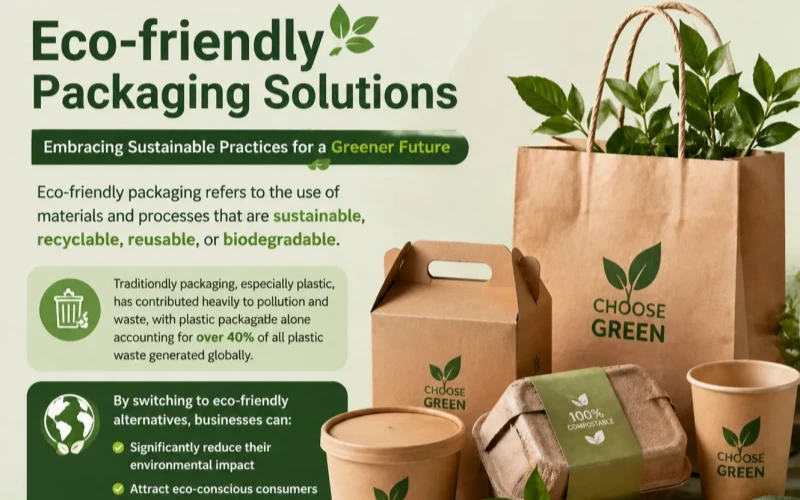
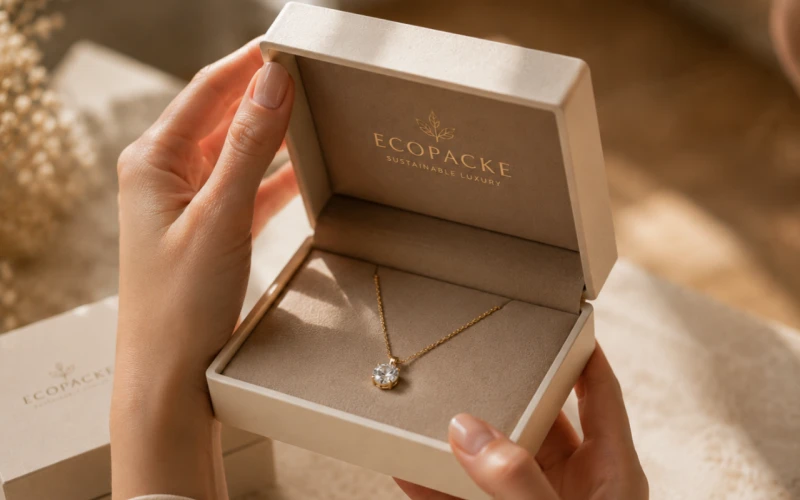
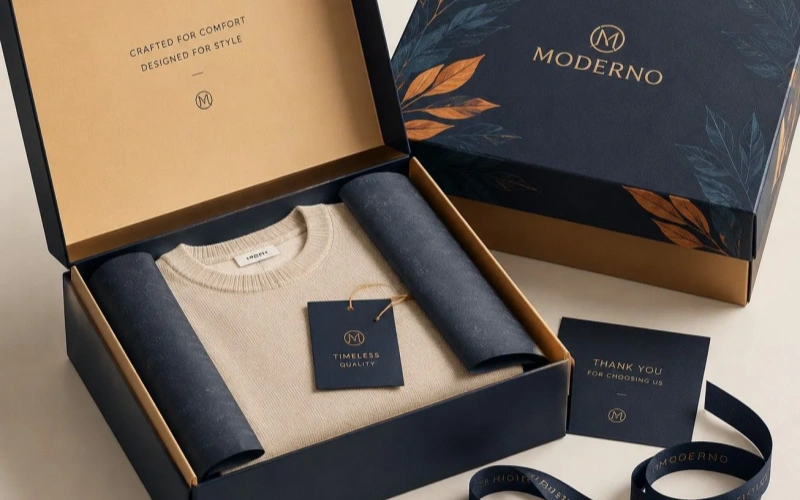
As the world increasingly turns its attention to environmental sustainability, eco-friendly packaging solutions have become more than just a trend; they are now essential for businesses committed to reducing their ecological footprint. With consumer awareness at an all-time high, brands and manufacturers in the U.S. and Europe are seeking innovative and effective ways to minimize waste, reduce carbon emissions, and promote a circular economy through packaging.
In this blog post, we will explore some of the most popular and effective eco-friendly packaging solutions that align with current environmental standards and practices in Europe and North America.
Why Eco-friendly Packaging Matters
Eco-friendly packaging refers to the use of materials and processes that are sustainable, recyclable, reusable, or biodegradable. Traditional packaging, especially plastic, has contributed heavily to pollution and waste, with plastic packaging alone accounting for over 40% of all plastic waste generated globally. By switching to eco-friendly alternatives, businesses can significantly reduce their environmental impact, attract eco-conscious consumers, and comply with ever-tightening environmental regulations.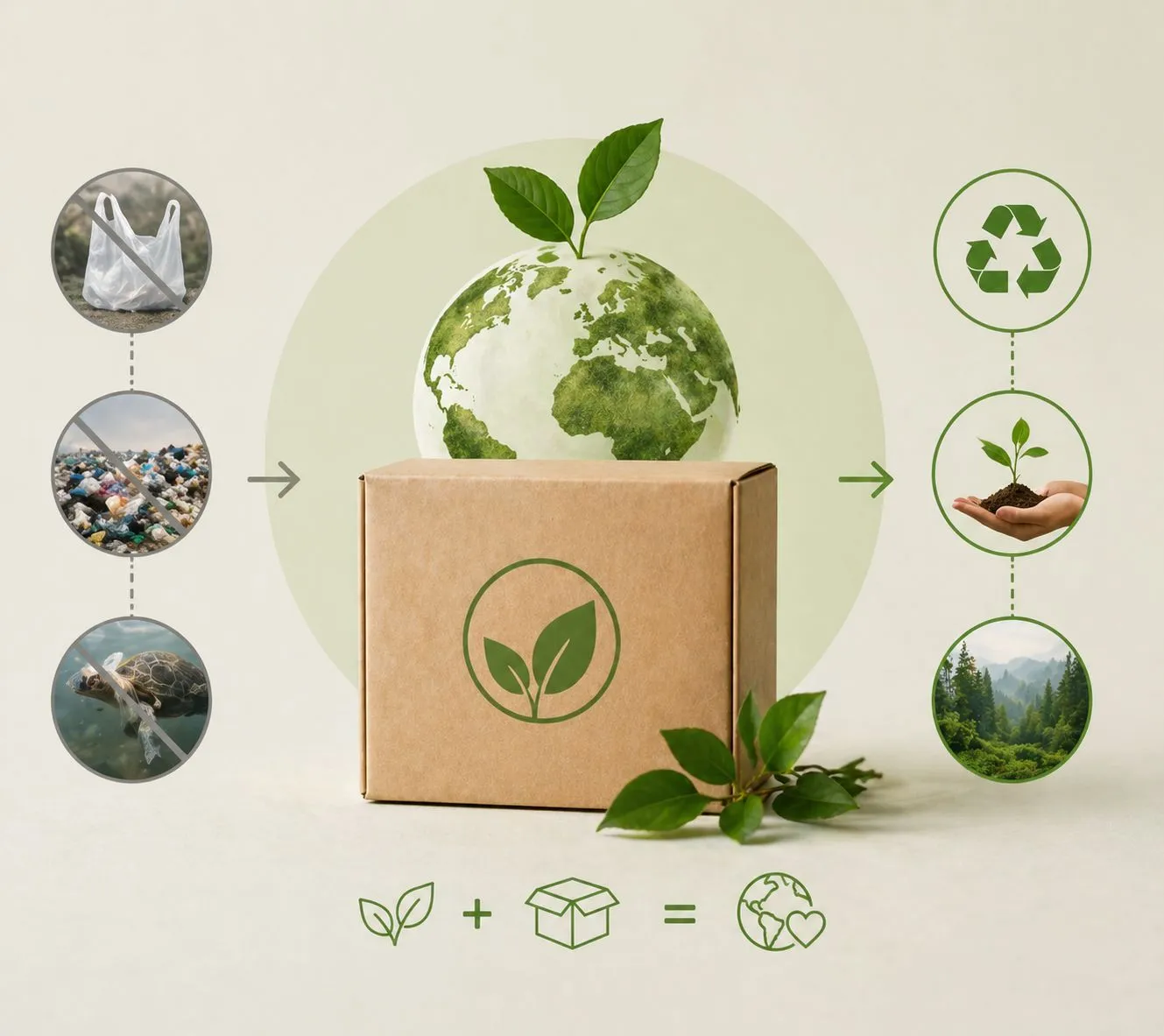
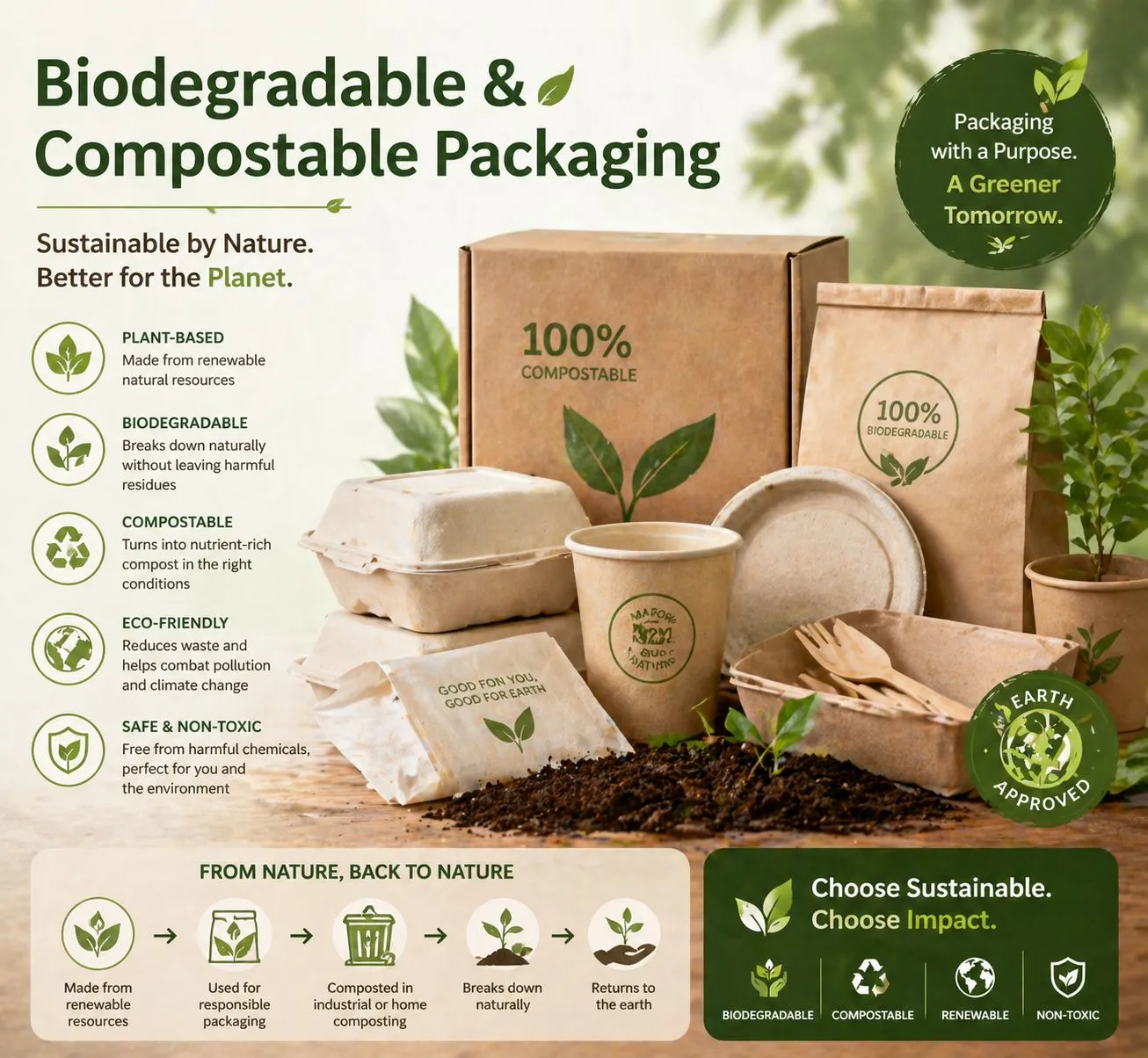
1. Biodegradable and Compostable Packaging
Biodegradable and compostable materials are rapidly gaining popularity as alternatives to plastic packaging. These materials break down naturally over time and don’t linger in the environment. One of the most common biodegradable options is PLA (Polylactic Acid), which is derived from renewable plant sources such as cornstarch or sugarcane.
Benefits:
- Reduces Waste: Biodegradable packaging decomposes naturally, reducing long-term waste in landfills and oceans.
- Renewable Resources: PLA and other biodegradable materials are made from renewable crops, unlike petroleum-based plastics.
Examples:
- Compostable Food Containers: Many food delivery services in Europe and the U.S. have switched to compostable containers made from PLA, sugarcane, or other plant-based materials.
- Compostable Wrapping: Many companies are now offering compostable wrapping films for products, including those used in the food and cosmetic industries.
2. Recycled Paper and Cardboard
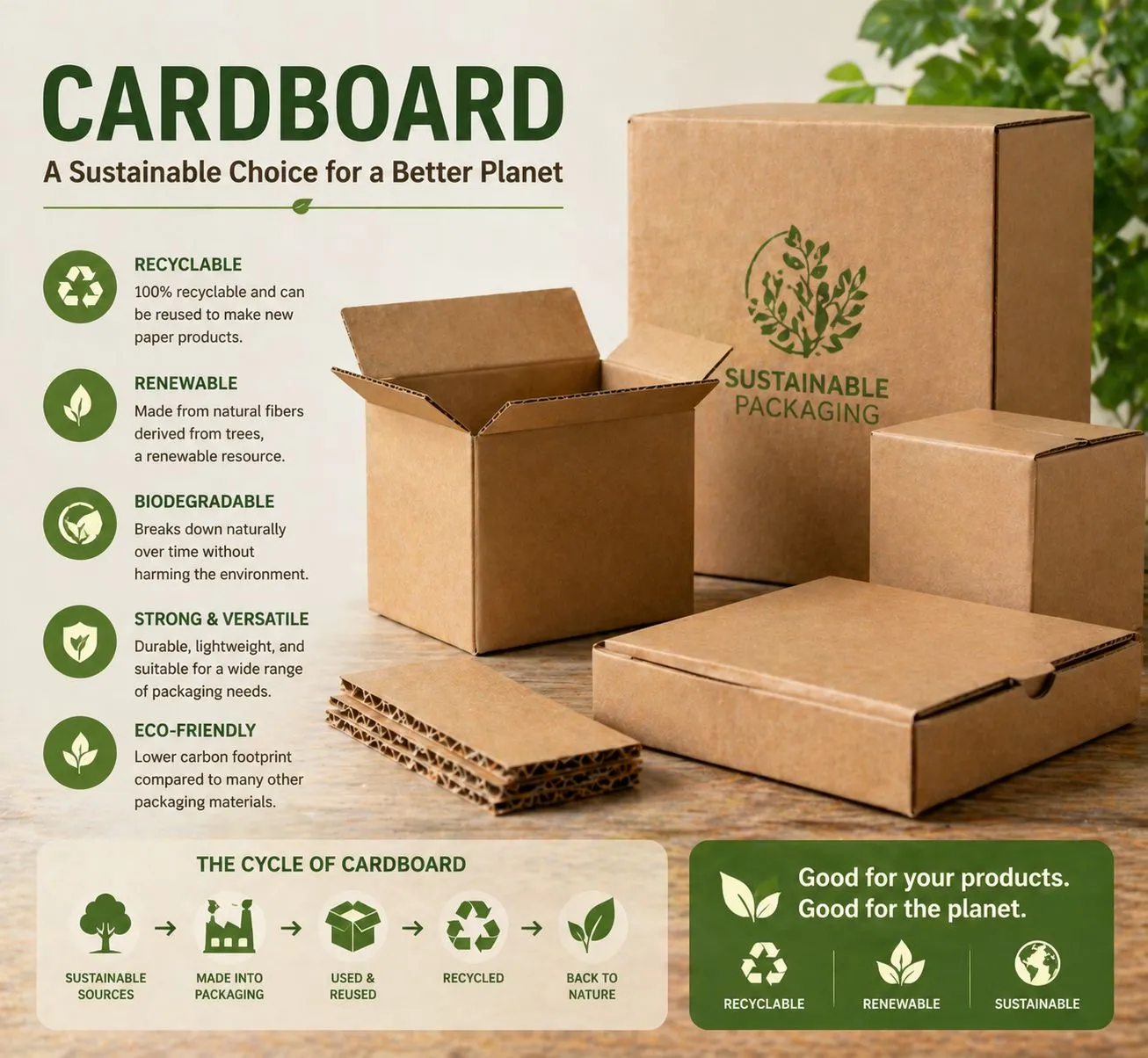
Paper and cardboard remain among the most environmentally friendly options for packaging, especially when sourced from recycled materials. The use of recycled paper helps conserve trees and reduce carbon emissions, as producing paper from recycled fibers requires less energy and water compared to using virgin materials.
Benefits:
- Resource Conservation: Paper and cardboard made from recycled materials help preserve natural resources like forests and reduce the need for new raw materials.
- Energy Efficiency: Recycled paper production requires less energy than producing new paper, reducing the carbon footprint.
Examples:
- Packaging for E-commerce: With the surge in online shopping, e-commerce companies have switched to 100% recycled paper for packaging boxes and fillers.
- Custom Paper Bags: Retail businesses are increasingly opting for custom, branded paper bags made from recycled paper for their stores.
3. Plant-based Plastics
Plant-based plastics are an innovative solution to the plastic pollution crisis. These plastics, also known as bio-plastics, are made from renewable plant resources such as corn, sugarcane, and algae, which offer a sustainable alternative to petroleum-based plastics.
Benefits:
- Carbon Footprint Reduction: Plant-based plastics have a lower carbon footprint compared to conventional plastic, as they are made from renewable resources and require less energy to produce.
- Recyclability: Some bio-plastics, like PLA, can be composted or recycled, contributing to a circular economy.
Examples:
- Food Packaging: Many brands in the food industry are switching to plant-based plastic packaging for items like salads, takeout containers, and fruit packaging.
- Eco-friendly Drink Bottles: Several beverage companies have started using plant-based PET bottles, which are made from renewable resources and are fully recyclable.
4. Minimalist Packaging and Reusable Containers
One of the most straightforward ways to reduce packaging waste is to minimize packaging altogether. Many companies are focusing on packaging that requires less material or can be reused multiple times, leading to a significant reduction in waste.
Benefits:
- Waste Reduction: Minimalist packaging uses fewer materials, reducing waste and the overall carbon footprint of a product.
- Encouraging Reuse: Reusable containers encourage consumers to reduce their reliance on single-use packaging, contributing to long-term sustainability.
Examples:
- Refillable Packaging: Several cosmetic and cleaning product companies are now offering refillable packaging options, where consumers can purchase a refill and reuse their original container.
- Reusable Shopping Bags: Retailers are promoting the use of durable, reusable shopping bags made from organic cotton, jute, or recycled materials.
5. Sustainable Printing and Inks
The sustainability of the packaging extends beyond the materials used to include the printing processes. Traditional printing methods use inks and dyes that contain harmful chemicals, but eco-friendly inks made from soy or water-based materials are now available. These inks are less toxic, easier to recycle, and generally have a smaller environmental footprint.
Benefits:
- Healthier for the Environment: Eco-friendly inks are biodegradable and contain fewer harmful chemicals.
- Improved Recyclability: Packaging printed with eco-friendly inks is easier to recycle, ensuring that the entire package can be repurposed or composted.
Examples:
- Eco-friendly Labels: Many brands are now using soy-based inks for their labels and packaging designs, reducing chemical runoff and promoting better recyclability.
- Sustainable Printing Companies: Several printing companies have shifted to using eco-friendly inks and papers, offering businesses a fully sustainable approach to their packaging design.
The Road Ahead: Policies and Consumer Demand
In both Europe and North America, government regulations are tightening around packaging waste, with bans on single-use plastics becoming more common. The European Union’s Circular Economy Action Plan and the U.S. federal government’s focus on reducing plastic pollution are pushing businesses toward adopting more sustainable packaging options.
Consumers are also driving this change. According to studies, over 60% of consumers in the U.S. and Europe prefer buying products with eco-friendly packaging. Businesses that align with consumer values by prioritizing sustainability in their packaging choices are likely to gain long-term loyalty and trust.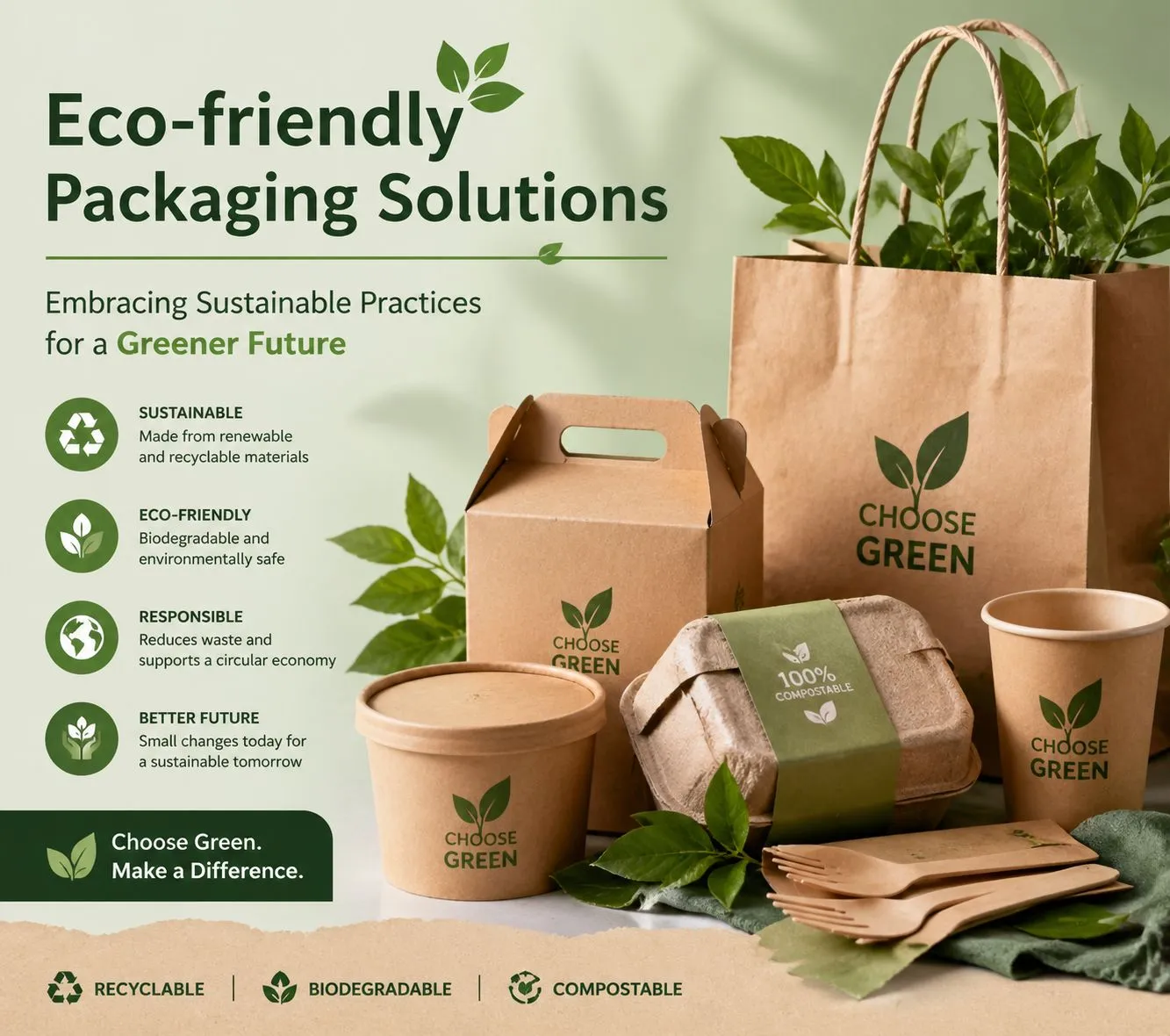
Conclusion
Eco-friendly packaging is not just about making more sustainable choices; it is about shaping the future of packaging for a healthier planet. By adopting biodegradable, recyclable, and reusable packaging materials, businesses can reduce waste, conserve resources, and play a key role in addressing the environmental challenges of our time.
As we look to the future, it is clear that eco-friendly packaging is no longer a luxury—it’s a necessity for businesses aiming to thrive in a conscious consumer landscape. The shift to sustainable packaging is both a responsibility and an opportunity to build a better, greener world.
Embracing eco-friendly packaging solutions today means a cleaner tomorrow for all.
Order small-batch custom packaging effortlessly with Ecopacke. Our platform offers custom packaging starting at only 100 units. Design luxury-level branded packaging easily, no matter your business size.