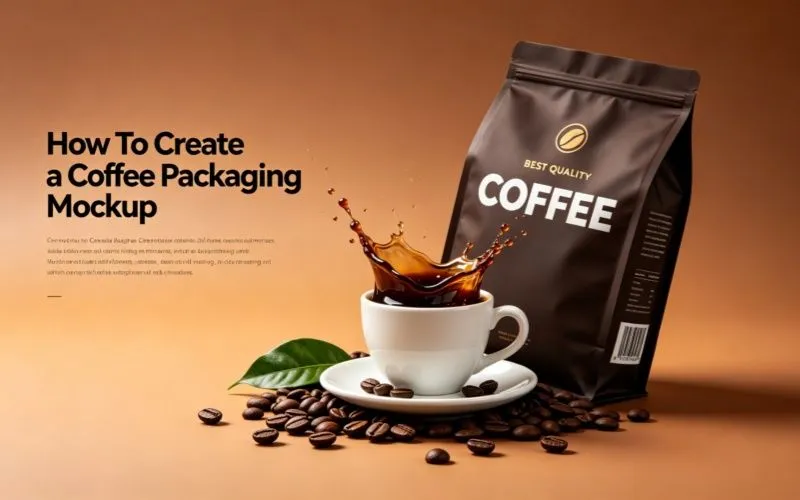
Coffee packaging is not just about keeping the beans fresh – it’s an essential part of building your brand, attracting customers, and ensuring the product stands out on crowded shelves. Whether you’re a roaster, a coffee shop owner, or an entrepreneur venturing into the coffee market, understanding the fundamentals of coffee packaging design is crucial. Let’s dive into the importance of packaging, design rules, material choices, do’s and don’ts, and some of the latest trends to keep in mind.
Why Is Coffee Packaging Important? Coffee packaging serves several key purposes:
Preservation of Freshness : Coffee beans are incredibly sensitive to air, light, and moisture. Proper packaging ensures that the beans stay fresh and maintain their flavor.Brand Identity : Packaging is one of the first interactions consumers have with a brand. It sets the tone for the brand’s personality and communicates its values.Attracting Customers : Eye-catching packaging can make a product stand out in a sea of similar offerings on store shelves or online platforms.Convenience : Packaging can make the coffee easier to use, store, and transport, adding convenience for customers.Sustainability : Eco-friendly packaging is becoming more important to today’s environmentally conscious consumers.
Basic Rules of Coffee Packaging Design To create successful coffee packaging, you need to follow certain design principles:
Understand Your Audience : The design should resonate with your target demographic. Whether you’re selling premium, organic coffee to health-conscious consumers or affordable daily blends to busy professionals, your design must match their preferences.Clear Branding : Your logo, brand colors, and tagline should be clearly visible and consistent across all your products. This fosters brand recognition and trust.Keep It Simple : Avoid clutter. A clean, straightforward design with minimal text and clear imagery will help your packaging stand out without overwhelming the consumer.Choose Appropriate Colors : Different colors evoke different emotions. Brown, green, and gold are often used in coffee packaging because they are associated with warmth, earthiness, and luxury. Consider the psychological impact of colors when designing your packaging.Typography : The font you use should reflect your brand’s personality. If you’re selling artisanal coffee, a handwritten font might work well. For a modern, high-tech brand, a sleek sans-serif might be more appropriate.Functional Design : Remember, the packaging should be functional. It should protect the coffee, be easy to open, and allow customers to store the product with minimal hassle.
3 Types of Coffee Packaging Materials Choosing the right material for your coffee packaging is crucial. Here are the top three options:
Kraft Paper : Kraft paper bags are a popular choice for coffee packaging because they give a rustic, organic feel. This material is biodegradable and can be eco-friendly when printed with soy-based inks.Plastic Pouches : These are lightweight and can be sealed tightly to ensure freshness. However, plastic is less eco-friendly unless it’s recyclable, so be mindful of the environmental impact.Glass Jars : For premium coffee brands, glass jars offer a high-end aesthetic and keep the coffee fresh longer. However, they’re heavier and more expensive to ship, which can increase costs.Each material has its advantages and drawbacks, so choose one based on your brand’s positioning and the sustainability goals of your business.
6 Do’s of Designing the Ideal Coffee Packaging Boxes Do Highlight Freshness : Coffee is all about freshness, so make sure the packaging design communicates this. Terms like “freshly roasted” or “airtight seal” can signal quality to the consumer.Do Consider Eco-Friendly Materials : Sustainability is a growing trend. Use recyclable, compostable, or biodegradable materials to appeal to eco-conscious customers.Do Use High-Quality Images : High-resolution images that reflect the essence of the coffee—whether that’s beans, farms, or brewing methods—will make your product more attractive.Do Create an Emotional Connection : Packaging should tell a story that connects with your consumers emotionally. Use your design to convey your brand’s values, whether that’s sustainability, local sourcing, or a passion for coffee.Do Include Essential Information : Make sure your packaging clearly displays key details like the coffee type, roast level, origin, and brewing instructions.Do Make It Reusable : Packaging that customers can reuse—such as coffee tins or jars—can boost customer loyalty while reducing waste.
6 Don’ts of Designing the Ideal Coffee Packaging Boxes Don’t Overcomplicate the Design : Keep it simple. Too much text or too many design elements can confuse customers and distract from the product itself.Don’t Ignore Brand Consistency : Your packaging should reflect the overall aesthetic of your brand. Avoid drastically changing your design style across different products, as it can confuse your customers.Don’t Use Cheap Materials : If your packaging looks cheap, consumers may assume the product inside is also low quality. Invest in good materials that reflect your product’s value.Don’t Overpromise : Don’t use terms like “best coffee in the world” or “guaranteed perfection” unless you can truly back them up. Authenticity is key in building trust with customers.Don’t Forget About Functionality : The packaging should be easy to open, reseal, and store. Never sacrifice practicality for design.Don’t Disregard Legal Requirements : Ensure your packaging complies with local laws regarding food labeling, ingredient disclosure, and health and safety regulations.
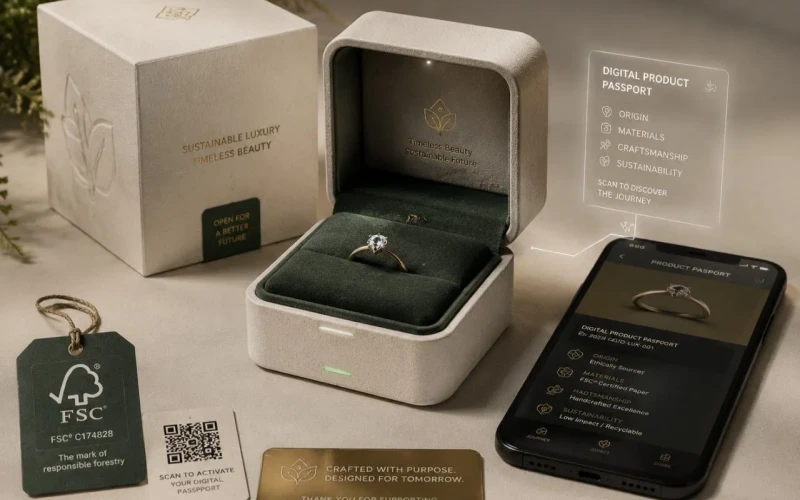
6 Trends in Coffee Packaging Box Design for 2026 Sustainability as a Priority : Consumers are increasingly looking for brands that prioritize eco-friendly packaging. Expect to see more biodegradable, compostable, and recyclable materials.Minimalist Designs : Simple, sleek packaging with a focus on the essential elements like the logo and product name will continue to trend in 2026.Bold Typography : Bold fonts that stand out on store shelves will remain a popular choice for brands that want to attract attention.Vintage and Retro Aesthetic : Nostalgic designs that evoke the old-school charm of coffee shops or vintage coffee ads are making a comeback.Transparent Windows : Packaging with transparent windows is becoming more common, allowing customers to see the product and gauge its quality at a glance.Interactive Packaging : Innovative packaging that engages the customer, such as QR codes linking to brewing tutorials or sustainable farming stories, will become more prevalent.
Conclusion Coffee packaging is far more than just a container for your product—it’s a powerful tool that can help you build brand recognition, connect with consumers, and preserve the integrity of your product. By following the basic design rules, selecting the right materials, and understanding current trends, you can create packaging that will stand out and appeal to your target audience.
Contact us now, and let’s discuss your business needs.
Share Your Branding Thoughts for Business Cards with Ecopacke Today! Ready to elevate your brand? Ecopacke can help you design coffee packaging that not only stands out but also aligns with your company’s ethos. Get in touch today to discuss your business card design and more!
Get Instant Quote & Free Samples Now!
Take your coffee packaging to the next level with Ecopacke’s expertise. Let’s make your brand unforgettable.